
This guide explains what the valve does, why it drips, how to test it safely and when a repair is more than a weekend job. It is written for Cottage Grove homeowners, with notes on local rules and a short checklist for what to do first.
What a relief valve does
The T&P valve sits on the side or top of the tank and opens if water pressure or temperature gets too high. Most are rated to open at 150 psi or at 210 degrees Fahrenheit. When it opens, water flows through a discharge pipe to a safe place, relieving the pressure before the tank can fail.
It is a mechanical part with a spring and a seat, and like any such part it wears. Hard water minerals can foul the seat, and a valve that has not been tested in years may stick closed when you need it most.
Why it drips
| Cause | What it looks like | What to do |
|---|---|---|
| Thermal expansion in a closed system | Drips after the heater runs, stops when the water cools | Measure pressure, add an expansion tank |
| High supply pressure | Drips constantly, pressure above normal on a gauge | Add or adjust a pressure reducing valve |
| Worn or fouled valve seat | Slow drip with normal pressure | Replace the valve |
| Overheated water | Hissing or steam at the valve | Shut off the heater and call right away |
| Failed thermostat | Water too hot at the tap | Replace the control or thermostat |
A drip does not always mean the valve is bad. The most common cause in a modern home is thermal expansion. When a backflow preventer or pressure regulator closes the supply, heated water has nowhere to go, and the extra volume pushes the valve open. An expansion tank gives the water room to expand.
When to stop and call right away
If the valve is steaming, spraying or the water at your taps is scalding, turn the heater to its lowest setting or off at the breaker or gas control and call. A tank that is overheating is dangerous.
The same is true if the relief valve has no discharge pipe, or the pipe is capped or plugged. Never cap a relief valve.
How to test the valve safely
- Place a bucket under the discharge pipe, since hot water will come out
- Lift the test lever gently and let it flow for a few seconds
- Release it and confirm it snaps closed with no drip
- If it keeps dripping or the lever is stuck, plan to replace it
- Never hold the lever open long, because the water can scald
Manufacturers often recommend testing once a year. A valve that does not flow when you lift the lever, or does not close fully afterward, is a candidate for replacement.
Valve dripping or water too hot?
Call our 24/7 line and a licensed plumber can get on the schedule.
How a valve is replaced
Shut down the heater
Turn off the gas or power and close the cold water supply valve.
Relieve pressure and drain
Open a hot tap, then drain several gallons from the tank so the water level drops below the valve.
Swap the valve
Unscrew the old valve, apply thread sealant to the new one and tighten it into the tank opening.
Reconnect and refill
Attach the discharge pipe, refill the tank, run a hot tap to purge air and check for leaks.
The new valve must have the same rating and be sized for the heater. The discharge pipe should run downward and end where water is visible and safe. Local code governs details, so follow the installation manual and ask your building department.
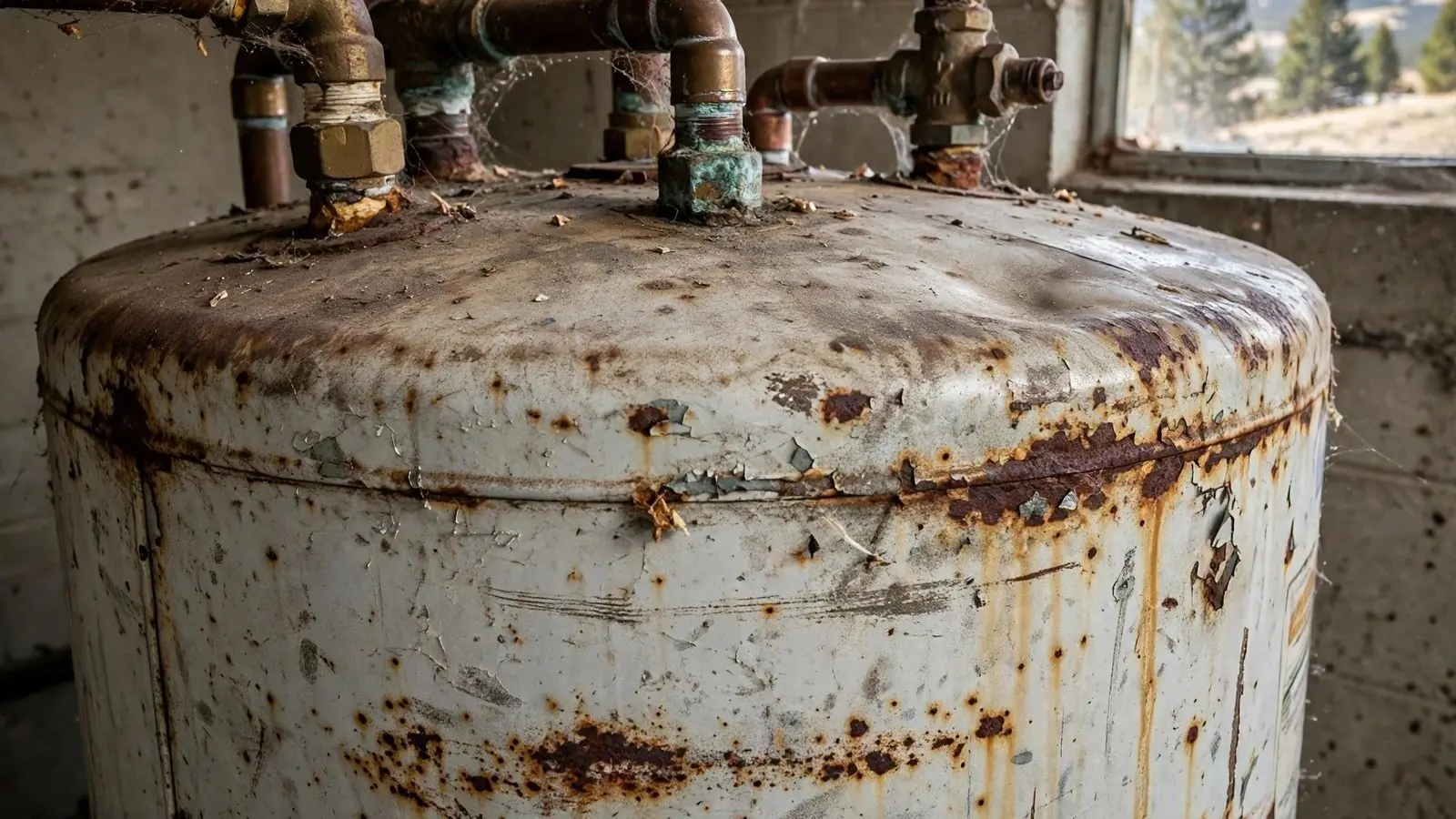
If the valve is old, rusted in place or the tank has leaks, the safer step is a water heater repair visit. If the tank is near the end of its life, a replacement may cost less than repeated repairs.
When the real problem is pressure
Incoming water pressure that is too high stresses valves, fixtures and the tank. A simple gauge on a hose bib shows your pressure. Many homes aim for a range that is firm without being punishing, and a pressure reducing valve brings it down when the supply is too strong.
If the pressure is normal and the valve still drips, test the expansion tank. A waterlogged tank loses its air cushion and stops absorbing expansion. A plumber can check and recharge or replace it.
Replace the heater or fix the valve?
Fix the valve
- The tank is not leaking
- The heater is not old
- The pressure checks out
- The cost is small
Replace the heater
- The tank shell is leaking
- The unit is near its expected life
- Repeated repairs add up
- Sediment and rust are heavy
Cottage Grove note: code, permits and who to ask
Water heater work in Minnesota falls under the Minnesota Plumbing Code, and the Minnesota Department of Labor and Industry is the state agency that sets the rules. Where a city is the administrative authority, its inspectors handle plumbing inspections. Follow the manufacturer's guidelines for the valve rating shown on the tank label.
In practice that means a replacement valve is a minor job, while moving or replacing the heater may need a permit. Ask the City of Cottage Grove building department what applies to your project, and keep any permit record. For Hastings and nearby towns, the same step applies with each city's own office.
A short checklist
- Look at the discharge pipe, which should be present and open
- Test the lever once a year
- Note whether the drip comes with a heating cycle
- Check your water pressure with a gauge
- Call a plumber if you see steam, scalding water or a stuck lever
If a relief valve is dripping and you are unsure we reach your street, the service area page lists the towns we dispatch to, and Hastings is the closest neighbor on the south side.
Questions homeowners ask
It can be. A small drip may only mean thermal expansion, but steaming, hissing or very hot water means the heater is overheating. Turn it off and call.
Many homeowners can, if they shut off power or gas, depressurize and drain the tank properly. If the valve is stuck, corroded or you are unsure, call a plumber.
That pattern points to thermal expansion. An expansion tank usually solves it.
Never. A capped valve cannot do its job and the tank can rupture. Fix the cause of the drip instead.
The part is inexpensive. The visit cost depends on access, draining and whether the pressure or expansion tank needs work. We confirm a clear price before work starts.
The City of Cottage Grove building department. Ask whether a replacement valve needs a permit and what a heater replacement requires.